-
Products
- Lab Instruments
- Lab Meters and Probes
- Chemistries, Reagents, and Standards
-
Online Analyzers
Ammonium Analysers Ammonia Monochloramine Chlorine Analyzers
- CL17sc
- CL10sc Amperometric
- 9184 sc Amperometric
- Ultra Low Range CL17sc Colorimetric Chlorine Analyser
- CL17sc Chemistry
Silica Analysers Sodium TOC Turbidity Analysers- Surface Scatter 7 sc
- TU5300sc/TU5400sc Online Laser Turbidimeters
- Turbidity Chemistry
- Ultraturb seawater sc
EZ Series Analysers- EZ Phosphate
- EZ ATP
- EZ Alkalinity
- EZ Aluminium
- EZ Ammonium
- EZ Arsenic
- EZ Boron
- EZ COD
- EZ Chloride
- EZ Chromium
- EZ Colour
- EZ Copper
- EZ Cyanide
- EZ Fluoride
- EZ Hardness
- EZ Hydrogen Peroxide
- EZ Iron
- EZ Manganese
- EZ Nickel
- EZ Nitrate
- EZ Nitrite
- EZ Phenol
- EZ Sample Preconditioning
- EZ Series Accessories & Parts
- EZ Series Reagents
- EZ Silica
- EZ Sulphate
- EZ Sulphide
- EZ Total Nitrogen
- EZ Toxicity
- EZ Volatile Fatty Acids
- EZ Zinc
- EZ sc Series Additional Analyzers
- EZ sc Series Inorganics
- EZ sc Series Metals
- EZ sc Series Nutrients
- Flow
-
Online Sensors and Controllers
Digital Controllers (Transmitters) Controllers (Analog)
- SC4500
- CA9300 Series Analog Transmitters
- Orbisphere 410/510 Carbon Dioxide
- Orbisphere 410/510 Oxygen
- Pro Series
pH & ORP Sensors- 12mm pH/ORP
- 8362 sc High Purity
- Combination pH/ORP
- Differential pH
- Digital Differential ORP
- Digital Differential pH
- LCP ORP
- LCP pH
- Sampling
- Multiparameter Online Panels
- Claros Water Intelligence System
- Test Kits & Strips
-
Microbiology
Prepared Media
- BARTS
- Liquid MPN
- MUG Tube
- Membrane Filtration
- Paddle Testers
- Presence-Absence
- Total Count Media
- Yeast and Mold
Dehydrated Media Kits Cryptosporidium & Giardia Analysis Legionella pneumophila Test Pseudomonas aeruginosa TestLabware- Accessories
- Funnels, Pumps & Manifolds
- Microbiology Filters
- Petri Dishes & Accessories
- Sampling Bags
- Vials, Tubes, Bottles & Racks
- Comparators
- Microbiology Accessories
- Microbiology Chemicals
- QC: Microbiology
- Quanti-Trays
- Sealer and Rubber Inserts
- UV Lamps
- Vessels
-
Lab Equipment and Supply
Apparatus
- Brushes
- Clamps, Rings & Stands
- Crucibles
- Crucibles & Casseroles
- Dispensers & Droppers
- Grab Samplers
- Oil and Grease
- Other Apparatus
- Pipet Aids
- Pipettes
- Racks
- Stir Bars
- Tubing
- Weighing Accessories
Instruments- Balances
- Hot Plates & Stirrers
- Microscopes
- Moisture Analysers
- Other Instruments
- Ovens & Incubators
- Thermometers
- Timers
- Vacuum Pump
- Automated Lab Systems
-
Environmental
Accessories Ambient Weather
- Kipp & Zonen Pyrgeometer
- Kipp & Zonen Scintillometer
- Lufft Ultrasonic Wind Sensor
- Lufft WS Series Smart Weather Sensor
- Lufft WS10 Series
Visibility and Present Weather Detection Hydrology Software Hydrology Water Discharge - Flow Road and Runway Sensors Solar Tracking and PV SoilingWater Level- OTT CBS Compact Bubbler Sensor
- OTT PLS Pressure Level Sensor
- OTT PLS(-C) Pressure Level Sensor with Conductivity
- OTT RLS Radar Level Sensor
- SUTRON Accubar Pressure Level Sensor
- SUTRON Constant Flow Bubbler
- SUTRON SDR Stage Discharge Recorder
Data Loggers and Telemetry- ADCON - Wireless Radio Communication / Telemetry
- Kipp & Zonen Data Logger
- SUTRON Antenna
- SUTRON SatLink 3 Logging Transmitter
- SUTRON XLINK 100 Logging Transmitter
- SUTRON XLINK 500 Logging Transmitter
- SUTRON XLite 9210 Datalogger
- SUTRON Xpert2 Datalogger
- Parameters
- Applications
- Industries
- Brands
- Service & Support
- News & Events


Login
Data Centers
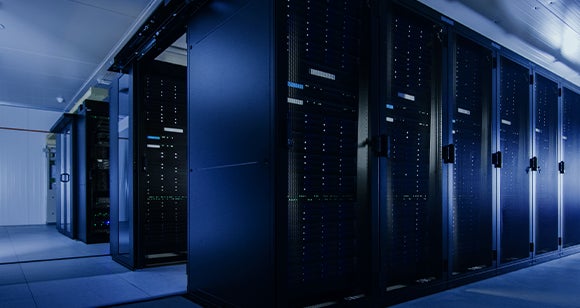
Smarter Data Center Cooling in Malaysia: Reduce Water Use and Improve Performance
Data centers are integral to the modern world, powering everything from cloud computing and streaming services to e-commerce and artificial intelligence. As demand for computational capacity continues to soar, so does the strain on water and energy resources. A modern data center can use up to five million gallons of water every day, the same amount a town of 50,000 people requires. This reality brings into focus the following challenge: how do facility operators keep up with ever-increasing performance needs while using water responsibly?
Rising Demand and Rising Water Use
Mounting pressure on local water supplies adds to existing operating budget challenges:
- Scarcity concerns in regions where water is already limited requiring costly water management projects.
- Balancing between heat transfer and removal performance and energy usage.
- Managing the indirect water footprint that comes with power generation, often as much as 83% of a data center’s total water use.
- Addressing community concerns and staying compliant with local regulations.
- Controlling rising costs tied to water treatment and energy consumption.
Start-to-Finish Confidence with Hach
From incoming water through cooling systems, treatment, and reuse, Hach ® provides solutions to help data centers monitor and manage water more efficiently, reduce costs, and meet sustainability targets without sacrificing reliability.
Featured Data Center Treatment Applications
Water Pretreatment
Before water reaches a cooling system, its quality plays a critical role in the performance, longevity, and efficiency of data center operations. Whether drawn from municipal supplies, reclaimed sources, or alternative sources like seawater or rainwater, source water must be conditioned properly to prevent issues that can disrupt operations.
Without effective pretreatment, contaminants such as minerals, dissolved solids, and organics can lead to scaling, corrosion, fouling, and biofilm growth in cooling systems. These problems reduce heat transfer efficiency, increase energy consumption, and can result in costly downtime or equipment replacement.
By implementing reliable pretreatment processes and real-time monitoring, data centers can protect critical infrastructure while enabling higher cycles of concentration in cooling towers, saving millions of gallons of water each year. Early treatment also helps facilities adapt to changes in water supply quality and reduce their overall operational risk.
Quality Monitoring Solutions For:
- Mechanical Filtration
- Ion Exchange
- Activated Carbon
- Reverse Osmosis (RO)
- UV Disinfection
Cooling Systems
Cooling systems are the heart of most data center operations, accounting for the largest source of water consumption onsite. As servers generate intense heat, especially in AI-driven environments, maintaining reliable and efficient cooling is critical to guarantee uptime and protect equipment.
Traditional evaporative cooling towers remain common due to their thermodynamic efficiency, but they consume significant amounts of water through evaporation and blowdown. Closed-loop liquid cooling and hybrid systems are emerging, offering lower water use but requiring careful monitoring of water quality to prevent scaling, corrosion, and fouling in sealed systems.
Optimizing cooling performance means balancing water and energy demands. Higher cycles of concentration in cooling towers can save millions of gallons annually, while smart control systems and real-time monitoring help maintain ideal conditions, reduce chemical overuse, and prevent unplanned downtime.
With accurate instrumentation and proactive water management, data centers can lower their total water use, improve energy efficiency, and extend the life of critical cooling infrastructure while meeting their sustainability and operational targets.
Suggested Parameters to monitor:
- Conductivity
- Silica
- pH
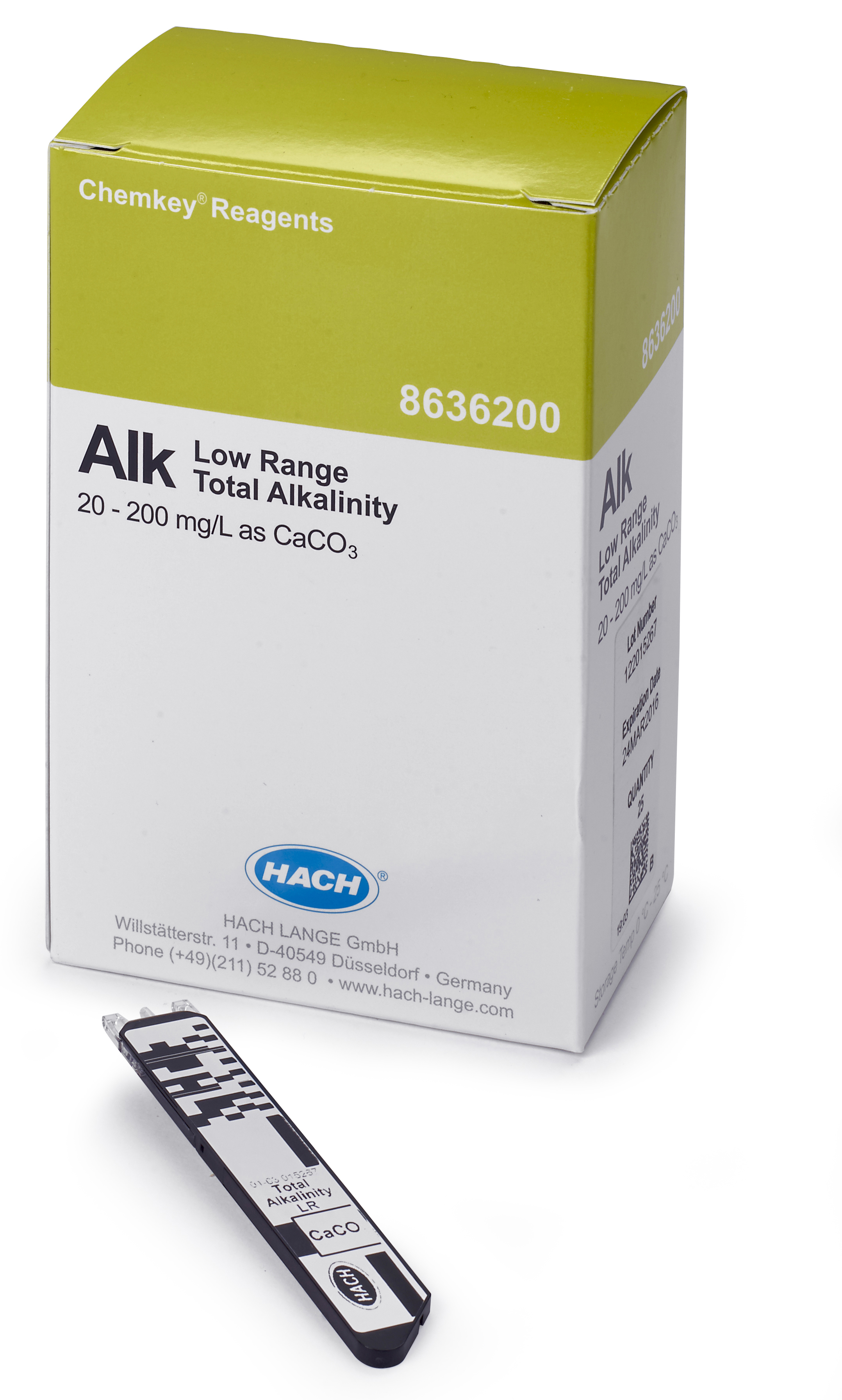
- Alkalinity
- Hardness
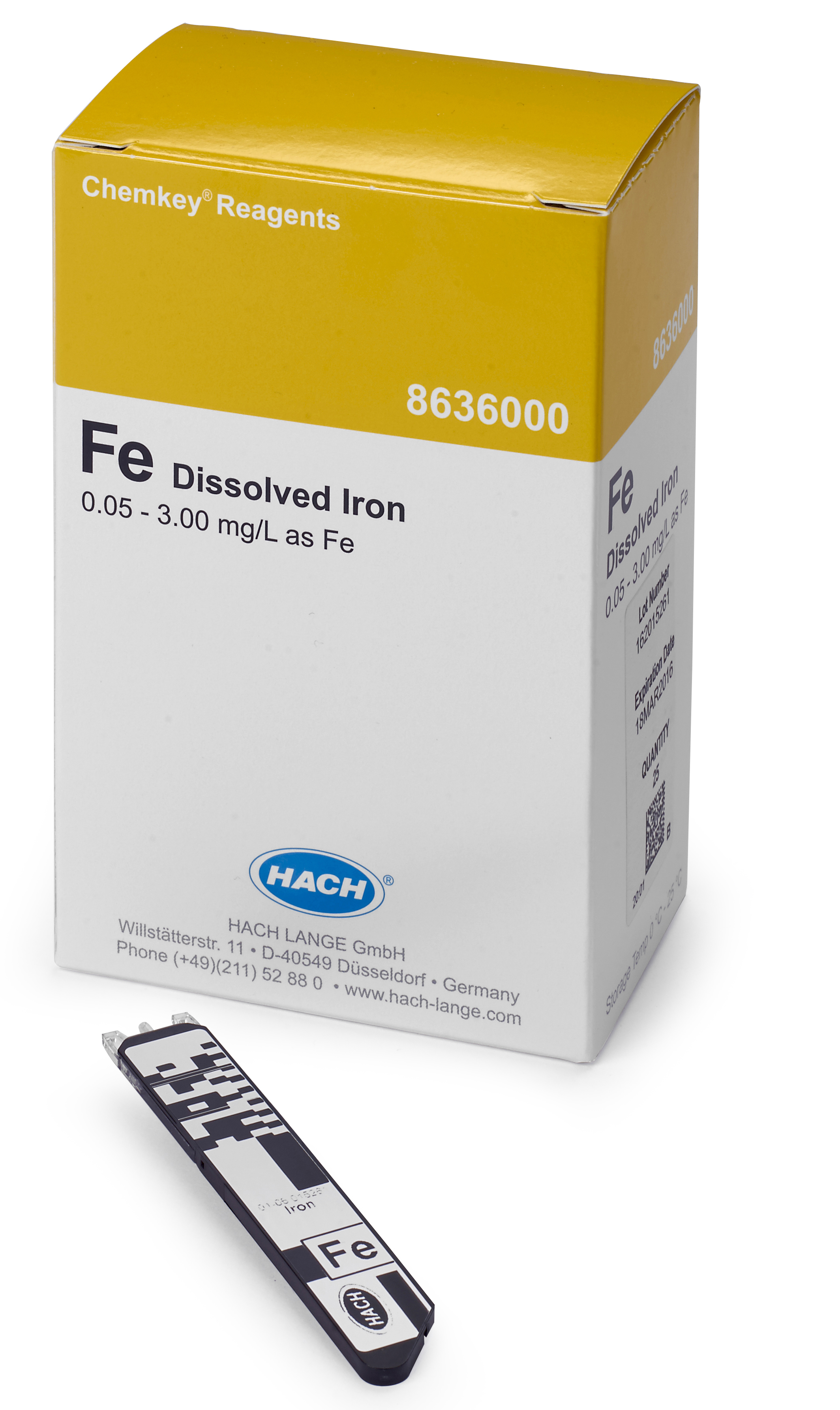
- Iron
- Chloride
- Free & Total Chlorine
- Total Organic Carbon (TOC)
- Flow Rate
- Temperature
Influent/Raw Water
Every efficient cooling strategy starts with the quality of your source water. Whether it comes from municipal supplies, reclaimed water, or alternative sources like seawater or rainwater, the consistency and purity of incoming water directly impacts cooling system performance and equipment health. Poor source water quality accelerates scaling, corrosion, and fouling and drives up maintenance costs and unplanned downtime.
With growing sustainability goals and rising operational demands, data centers must evaluate and treat source water early in the process. Pretreatment helps ensure water chemistry is optimized before it enters critical cooling loops or other systems, protecting infrastructure and reducing total water consumption.
By utilizing accurate, real-time monitoring and robust treatment solutions, operators can detect fluctuations in source water quality, maintain optimal system chemistry, and prevent problems before they start. This proactive approach minimizes both operational risk and long-term costs while supporting water efficiency and sustainability goals.
Suggested parameters to monitor:
Effluent Treatment
As data centers grow to meet the rising demand of AI, they face mounting pressure to reduce their environmental impact while maintaining operational reliability. Cooling towers generate blowdown water that must be managed carefully to meet sustainability and compliance goals.
Effective effluent treatment begins with accurate monitoring and control. By tracking key water quality parameters in real time, operators can respond quickly to fluctuations, prevent violations, and optimize treatment performance.
Modern data centers are moving beyond basic treatment toward integrated solutions that enable recycling and reuse of cooling tower blowdown. This approach not only reduces freshwater demand but also minimizes discharge volumes, lowering both environmental footprint and operational costs.
From chemical dosing to filtration and advanced membrane technologies, continuous, reliable monitoring provides the foundation for efficient effluent management—helping facilities meet regulatory requirements and advance toward water-positive goals.
Suggested Parameters to Monitor
Water Reuse
As water scarcity grows worldwide, optimizing water reuse is becoming essential for data centers. Reusing reclaimed or recycled water helps facilities reduce their reliance on potable sources while supporting broader community water sustainability goals.
For data centers, water reuse often begins with cooling tower blowdown, which can be treated and cycled back into the system. This approach not only reduces overall freshwater demand but also minimizes discharge volumes, lowering environmental impact and operational costs.
Advanced reuse strategies also allow facilities to integrate non-traditional water sources such as municipal reclaimed water, treated effluent, or even seawater into cooling operations. This reduces competition for local drinking water supplies while maintaining high-performance cooling essential for uptime.
Successful reuse programs require careful monitoring and treatment throughout the process. By tracking key parameters and optimizing treatment, operators can ensure consistent water quality, protect equipment, and continually improve reuse efficiency.
Suggested Parameters to Monitor
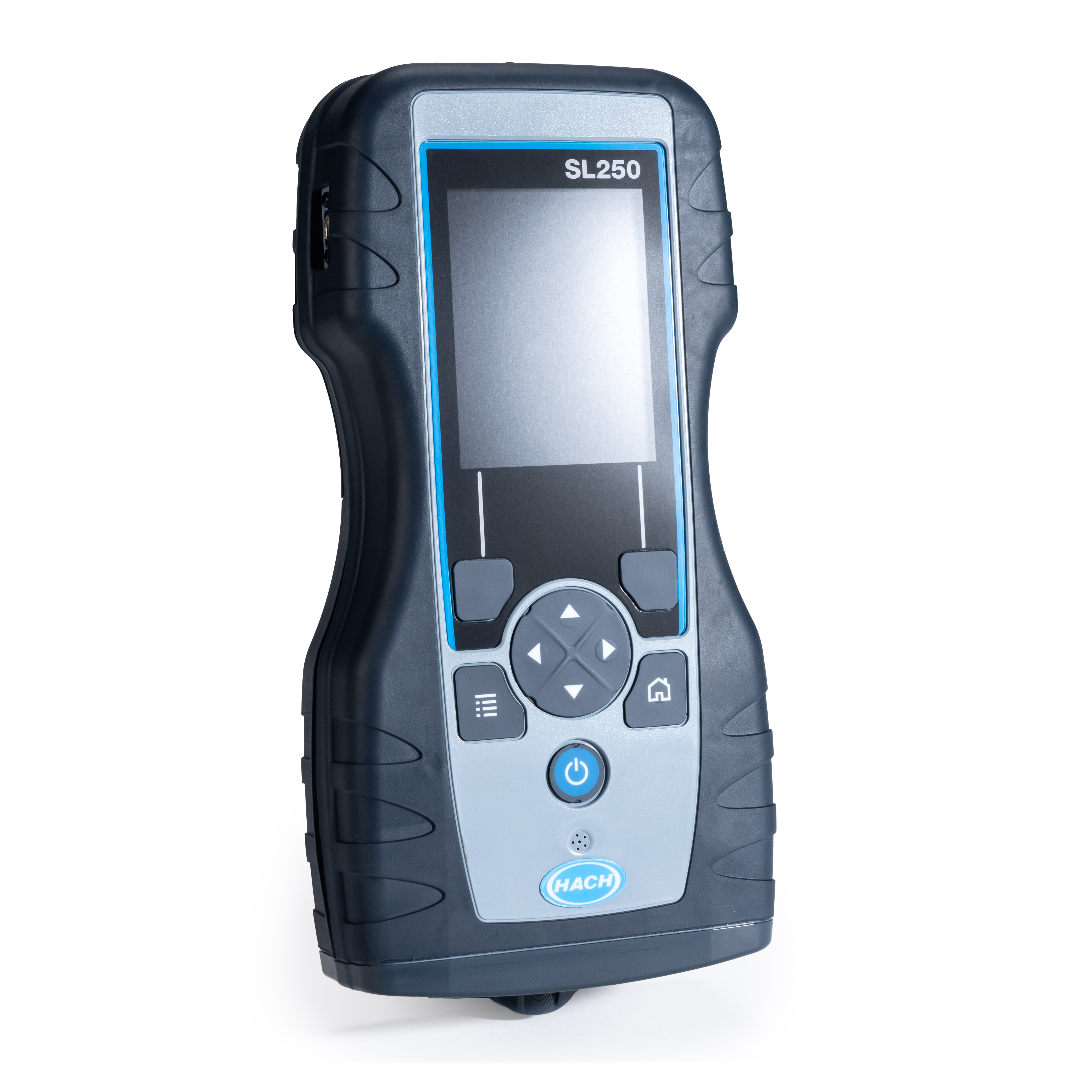
Data Center Water Quality Monitoring Solutions in Malaysia

Looking for our Hach US Site?
It appears that you are visiting Hach from the United States but the site you are currently visiting is for Malaysia.
Would you like to visit the Hach US site instead?